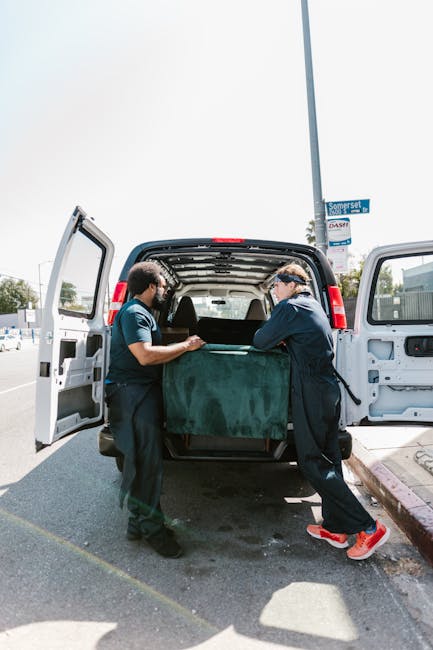
Fish Island furniture removals expert local team: a practical guide to smoother local moves
If you are looking for a Fish Island furniture removals expert local team, you are probably after more than a van and a couple of strong arms. You want people who know the area, understand how awkward furniture can be in tight stairwells, and can keep the whole job calm when the clock is ticking. That matters more than most people realise. A move in Fish Island can be straightforward on paper, then suddenly there is a narrow lift, a parked car in the wrong place, or a sofa that swears it will not turn the corner. This guide breaks down what to expect, how a local team works, and how to make the process easier from start to finish.
Truth be told, furniture removals are rarely just about transport. They are about planning, protection, timing, and trust. Get those right and the day feels almost easy. Well, almost.
Why Fish Island furniture removals expert local team Matters
Fish Island sits in a part of East London where homes, flats, studios, and mixed-use buildings can all bring different moving challenges. One street might be simple enough for an easy load-in, while the next has restricted access, busy traffic, or shared entrances that make furniture handling more delicate than you first expected. A local team helps because they are used to those real conditions, not just the idea of them.
Furniture removals are especially sensitive because the items are often bulky, fragile at the corners, expensive to replace, or simply awkward. A dining table might be solid but heavy. A wardrobe might be light enough in theory but impossible to twist around a landing without scratching the walls. A knowledgeable team understands the difference between lifting, carrying, dismantling, and safely reassembling things in the right order.
There is also the stress factor. Moving day already asks a lot of you. If you are juggling keys, time slots, and a building with limited access, you do not want guesswork. A team with local experience can reduce those little uncertainties that snowball into delays. And delays, let's face it, are the thing nobody wants after a week of packing boxes and hunting for packing tape that has mysteriously vanished.
For many people, the value of a local removals team sits in the details: knowing what size vehicle is sensible, how long loading may take, when to bring protective blankets, and whether extra help is worth booking. That kind of practical judgement is what turns a difficult move into a manageable one.
How Fish Island furniture removals expert local team Works
In a well-run furniture removal, the process usually starts before anyone arrives with a van. A reliable team will ask what needs moving, how large the furniture is, whether there are stairs or lifts, and if any items need dismantling. That first conversation matters because the difference between a smooth day and a messy one often comes down to planning, not brute strength.
From there, the team will typically match the job to the right vehicle, the right crew size, and the right protective equipment. For example, a single bulky sofa and a few shelves may suit a lighter local move, while a full flat's worth of furniture might need a more structured removals service. If the move includes other household items, it may be sensible to look at local removals or broader removals support depending on the size of the job.
On moving day, the team usually arrives, confirms the plan, checks access, and starts with the largest or most delicate items first. Good movers do not just lift and hope. They protect floors where needed, wrap surfaces that can scratch, and keep pathways clear. In tighter buildings, that means careful turning and steady communication. You will often notice the pace is calm, almost measured, because rushing is exactly how accidents happen.
If furniture needs to be stored for a while, a good local team may also help you think through temporary options. For some moves, furniture storage or even removals and storage can be the sensible middle ground if keys, renovations, or handover dates do not line up neatly.
Key Benefits and Practical Advantages
A local expert team brings several advantages that are easy to overlook until you need them. The first is efficiency. Local movers know the rhythm of nearby streets and the kinds of access issues that appear in flats and converted buildings. That familiarity can save time, which often saves money too.
The second is care. Furniture is not all equal. A simple bookcase is one thing, but a marble-top table, a mirrored wardrobe, or a family dining set with sentimental value calls for a more careful touch. Experienced movers understand how to protect finishes, distribute weight, and use the right tools rather than relying on luck.
The third is flexibility. Local teams are often better placed to handle last-minute timing changes, smaller moves, or multiple drop-offs. If you are moving from a compact property, you may not need a full-scale operation at all; a man and van solution or small removals service can be a better fit.
There is also the peace-of-mind factor. Moving furniture is physical work, yes, but it is also a service issue. You want to know who is handling your belongings, what happens if something goes wrong, and how the team communicates. A professional outfit should be able to explain that clearly without sounding vague or evasive. That, to be fair, is a good sign in itself.
| What matters most | Why it helps | What to look for |
|---|---|---|
| Local knowledge | Speeds up loading and access planning | Familiarity with Fish Island streets, building access, and timing constraints |
| Protection | Reduces damage risk | Blankets, straps, wrapping, and floor care |
| Flexibility | Adapts to small or awkward moves | Options for partial loads, storage, or short-notice jobs |
| Clear communication | Prevents misunderstandings | Simple questions, confirmed timings, written pricing where possible |
Who This Is For and When It Makes Sense
This kind of service makes sense for a wide mix of people. If you are moving from a flat with stairs, a top-floor apartment, or a place with limited parking, local furniture removals support is especially useful. The same goes if you own large items that are hard to move safely without help: sofas, beds, wardrobes, cabinets, desks, and white goods.
It also suits people who are short on time. Some moves come together neatly. Others do not. Maybe you have a property completion on one date and your new place is not ready until later. Maybe you are renovating and need furniture out of the way before builders arrive. In those situations, a service that connects moving with storage can be a very practical choice.
Businesses can benefit too, particularly small offices, creative studios, and home-based workers moving desks, chairs, shelving, or archive pieces. In those cases, services like office removals or business storage may be relevant. And if you are shifting a few pieces rather than the entire contents of a property, the lighter-touch small removals route can make more sense than booking a large truck that barely fills up.
Students, renters, first-time buyers, downsizers, and people between homes also fall squarely into the group that benefits from a practical local team. Sometimes the move is not dramatic. It is just annoying, fiddly, and time-sensitive. That is enough. No one needs a drama on moving day.
Step-by-Step Guidance
- List every furniture item. Start with the obvious pieces, then add the awkward extras: mirrors, headboards, office chairs, shelves, and anything that needs dismantling.
- Check access properly. Measure doorways, note stairs or lifts, and think about parking. If access is tight, mention it early rather than hoping it will be fine on the day.
- Decide what is moving and what is not. It sounds basic, but mixed piles create confusion. Separate furniture to move, items to store, and things to recycle or donate.
- Choose the right moving support. For larger property moves, house removals or flat removals may be more appropriate. For smaller loads, a lighter service can be enough.
- Prepare fragile surfaces. Remove loose items, empty drawers if needed, and secure glass or mirrors. A few minutes here saves a lot of grief later.
- Decide on storage in advance if needed. If you know there will be a gap between homes, think about short-term storage or secure storage rather than deciding in a panic mid-move.
- Confirm the moving plan. Make sure everyone knows collection time, drop-off address, and any items that need extra care. A quick written summary helps more than people expect.
A useful rule of thumb: the more awkward the building, the earlier you should plan. Waiting until the morning of the move is like trying to assemble flat-pack furniture while someone is already holding the screws. Not ideal.
Expert Tips for Better Results
One of the best tips is to be honest about what you have. People often underestimate furniture size or forget how tricky a bed frame can be once it leaves the bedroom. If in doubt, over-communicate. A good mover would rather know about the oversized sideboard now than discover it wedged behind the front door later.
Another practical point is to prep the route through the property. Clear shoes, rugs, drying racks, and random boxes from hallways. It is such a small thing, yet it makes a move feel much calmer. You can almost hear the difference; less bumping, less shuffling, less muttered "careful there" as items pass through tight spaces.
If you have furniture with delicate finishes, ask about wrapping and protection. Polished wood, soft leather, glass, and high-gloss paint are all easy to mark. A decent team should use blankets, covers, or proper padding where needed. If they seem casual about protection, that is a yellow flag.
For larger or split-location moves, consider whether part of your load should go into storage first. That can help if your new room is smaller, your renovation is delayed, or you just do not want everything arriving at once. Sometimes a staged move is the sanest move.
And one more, simple but important: keep essentials with you. Keys, chargers, medication, documents, and a kettle if you are the sort of person who can't function without tea. Moving is disruptive enough already.
Common Mistakes to Avoid
The biggest mistake is booking too late. Good local teams can get busy, especially around month-end, weekends, and student changeover periods. If your timing is tight, arranging help earlier gives you more choice and less pressure.
Another common problem is failing to measure properly. A sofa that fits in your old lounge may still turn into an obstacle at the staircase. Measure doorways, landings, and vehicle access, not just the furniture itself. It sounds tedious. It is tedious. But it saves stress.
People also underestimate the value of dismantling. Not every item should be taken apart, of course, but some wardrobes and bed frames are much safer to move in sections. If you force everything through assembled, you may damage the item or the walls. Both unpleasant, neither fun.
Do not forget insurance and terms either. Read what is covered, what is not, and what the expectations are for access, cancellations, or waiting time. If you are comparing providers, check insurance and safety information alongside terms and conditions. It is not the exciting part of the process, but it is the part that protects you if plans change.
Finally, do not leave storage decisions until the last minute. If there is a gap between moves, choosing self storage or household storage early can keep the rest of the move cleaner and more predictable.
Tools, Resources and Recommendations
A good furniture move usually relies on a few straightforward tools rather than anything fancy. Moving blankets, straps, trolleys, corner protection, and furniture covers are the practical basics. If you are handling smaller pieces yourself, sturdy gloves and the right screwdriver set can save a lot of improvisation.
If packing is part of the job, especially for fragile add-ons or mixed household items, a service like packing services can take a surprising amount off your plate. People often think packing is just boxes and tape, but it is really about sequencing, protection, and not boxing yourself into a corner, literally.
Storage can also be part of the toolkit. A move becomes much simpler when there is a sensible place for items that do not need to travel immediately. Options such as furniture storage, long-term storage, or mobile self storage may be useful depending on your timeline and how much you want to handle yourself.
For clients dealing with offices, paperwork, or mixed business items, document storage and office storage may be worth considering alongside the move. That keeps boxes and furniture from competing for the same space.
A final recommendation: choose a provider who gives clear answers without making everything sound like a sales pitch. Good service feels calm, organised, and practical. You notice it more in the way they handle a wonky lift or a tight hallway than in any glossy promise.
Law, Compliance, Standards, or Best Practice
For furniture removals in the UK, the most useful approach is to focus on recognised best practice rather than fancy claims. A professional moving team should work safely, protect property where appropriate, and be transparent about its responsibilities. That includes sensible handling, clear communication, and proper care around lifting and carrying.
Health and safety matters because moving furniture can strain backs, trap fingers, or damage walls and floors if the job is rushed. A responsible team should have processes for safe lifting, route checks, and equipment use. If you want to understand a provider's approach, their health and safety policy can tell you a lot about how seriously they treat the basics.
Insurance is another area worth checking. Not because you expect a problem, but because good practice means planning for unlikely events too. The same applies to payment clarity, privacy, and service terms. It all sounds a bit formal, yes, but this is the unglamorous backbone of a trustworthy service. Rather boring, but very useful.
If sustainability matters to you, ask how packaging waste and unwanted items are handled. A thoughtful provider may outline recycling and disposal principles in their recycling and sustainability information. That is especially helpful if you are clearing out old furniture and do not want everything treated the same way.
Options, Methods, or Comparison Table
Not every Fish Island move needs the same setup. Choosing between a full removals service, a smaller vehicle, or a storage-led plan depends on the size of your load, access, and timing. Here is a simple comparison that can help you narrow things down.
| Option | Best for | Strengths | Watch-outs |
|---|---|---|---|
| Full furniture removals team | Multiple large items, full-room or full-home moves | Efficient, organised, better for awkward items | Can be more than you need for very small jobs |
| Man and van | Smaller loads, a few key pieces, flexible timing | Simple, often cost-conscious, good for quick moves | Less ideal for complex or heavy-lifting jobs |
| Removals plus storage | Moves with a gap between dates or renovation work | Reduces pressure, keeps items safe until needed | Requires extra planning and sorting |
| Self storage only | People moving items themselves in stages | Flexible and hands-on | More effort from you, and not always the easiest route |
If you are unsure where your move fits, ask yourself one practical question: do I want a single straightforward lift-and-deliver, or do I need help managing the whole process? That answer usually points you in the right direction faster than any fancy checklist.
Case Study or Real-World Example
Here is a realistic example from the kind of move that comes up all the time. A resident in Fish Island needed to move a sofa, bed frame, mattress, desk, and a couple of shelving units from a first-floor flat to a new place nearby. The snag was timing. The new tenancy was ready in the afternoon, but the old flat had to be cleared by lunchtime. Not exactly a relaxed Tuesday.
Rather than force everything into one rushed trip, the move was broken into a smarter sequence. The larger furniture was assessed first, the bed frame was dismantled, fragile pieces were wrapped, and the route through the flat was cleared before loading began. A small storage option was kept in mind for a desk and shelves that did not need immediate use, which removed a lot of pressure.
The practical lesson is simple. The job became easier not because the furniture was lighter, but because the plan was cleaner. That is the bit people often miss. The right team does not just carry items; it creates order when the day starts to feel messy. And on a moving day, order is gold.
Practical Checklist
- Confirm exactly which furniture items are moving.
- Measure doors, stairs, lifts, and any tight corners.
- Check parking and access at both addresses.
- Separate items that must be stored, moved, or recycled.
- Ask about wrapping, dismantling, and reassembly.
- Review insurance, safety, and terms before booking.
- Keep essentials with you on moving day.
- Arrange packing help if you have fragile or awkward items.
- Book storage early if there is a gap between dates.
- Leave hallways and entrances as clear as possible.
Expert summary: the best Fish Island furniture removals experience is rarely the one that feels dramatic. It is the one that feels controlled, well-briefed, and just boring enough to be brilliant. That is what you want.
Conclusion
Choosing a Fish Island furniture removals expert local team is really about reducing risk and making a complicated day feel manageable. Local knowledge helps with access, careful handling protects your furniture, and good planning stops small issues from becoming big ones. Whether you are moving a few pieces or a whole flat's worth of furniture, the right support can save time, protect your belongings, and make the whole experience feel far less overwhelming.
If you are comparing options, look beyond the headline promise and focus on the practical details: access, protection, storage flexibility, communication, and safety. Those are the things that matter once the sofa is halfway through the doorway and everybody is pretending not to panic. You know the scene.
Get a free quote today and see how much you can save.
Frequently Asked Questions
What does a Fish Island furniture removals expert local team actually do?
They handle the planning, lifting, loading, transport, and delivery of furniture with local knowledge that helps the move run more smoothly. In many cases, they also help with dismantling, wrapping, and reassembly.
Is a local team better than a larger removals company?
Not always, but local teams often have a better feel for nearby access issues, parking, and realistic timing. That can be a real advantage in Fish Island, especially for flats and tight roads.
Can I book furniture removals for just a few items?
Yes. If you only have a sofa, bed, desk, or a small set of items, a smaller move may be more suitable. In those cases, man and van or small removals can be a better fit than a full-scale service.
Do I need to dismantle furniture before moving day?
Sometimes yes, sometimes no. It depends on the item, the access route, and the size of the furniture. Bed frames, wardrobes, and large shelving units are often easier and safer to move in parts.
What if my move date and new home date do not line up?
That is where storage becomes useful. Options like short-term storage or removals and storage can bridge the gap without forcing a rushed move.
How do I know if my furniture needs special protection?
If it has glass, mirrors, polished finishes, soft leather, or sentimental value, it should be protected carefully. Even sturdy items can scratch if they knock against walls or each other during loading.
What should I ask before I book?
Ask about access, crew size, insurance, what is included, whether dismantling is available, and how pricing is handled. Clear answers are usually a good sign. If things sound vague, that is worth noticing.
Is furniture storage useful for local Fish Island moves?
Yes, particularly if you are renovating, downsizing, between homes, or moving in stages. Services such as furniture storage and secure storage can make the transition much easier.
How can I make moving day less stressful?
Prepare early, keep walkways clear, label what is moving, and make sure the team knows about any tricky access points. A calm plan on paper tends to stay calmer in real life too.
What kind of move is best suited to a local furniture removals team?
Any move involving bulky, fragile, or hard-to-handle items is a strong candidate. That includes flats, shared buildings, student moves, small office relocations, and anything with awkward stairs or limited parking.
Can furniture removals include packing help as well?
Yes, often they can. If your furniture move includes fragile items, loose fittings, or mixed household contents, packing services can save time and reduce breakages.
What is the best next step if I am still comparing options?
Make a simple inventory, note access details, and compare the services that best fit your load and timing. If you need help beyond furniture alone, look at related options like house removals or flat removals to see which route feels most practical.
A good move does not need to feel chaotic. With the right team and a sensible plan, it can feel surprisingly steady, even on a busy East London street.